Arándano
Vaccinium corymbosum
164 días en Eden Scan
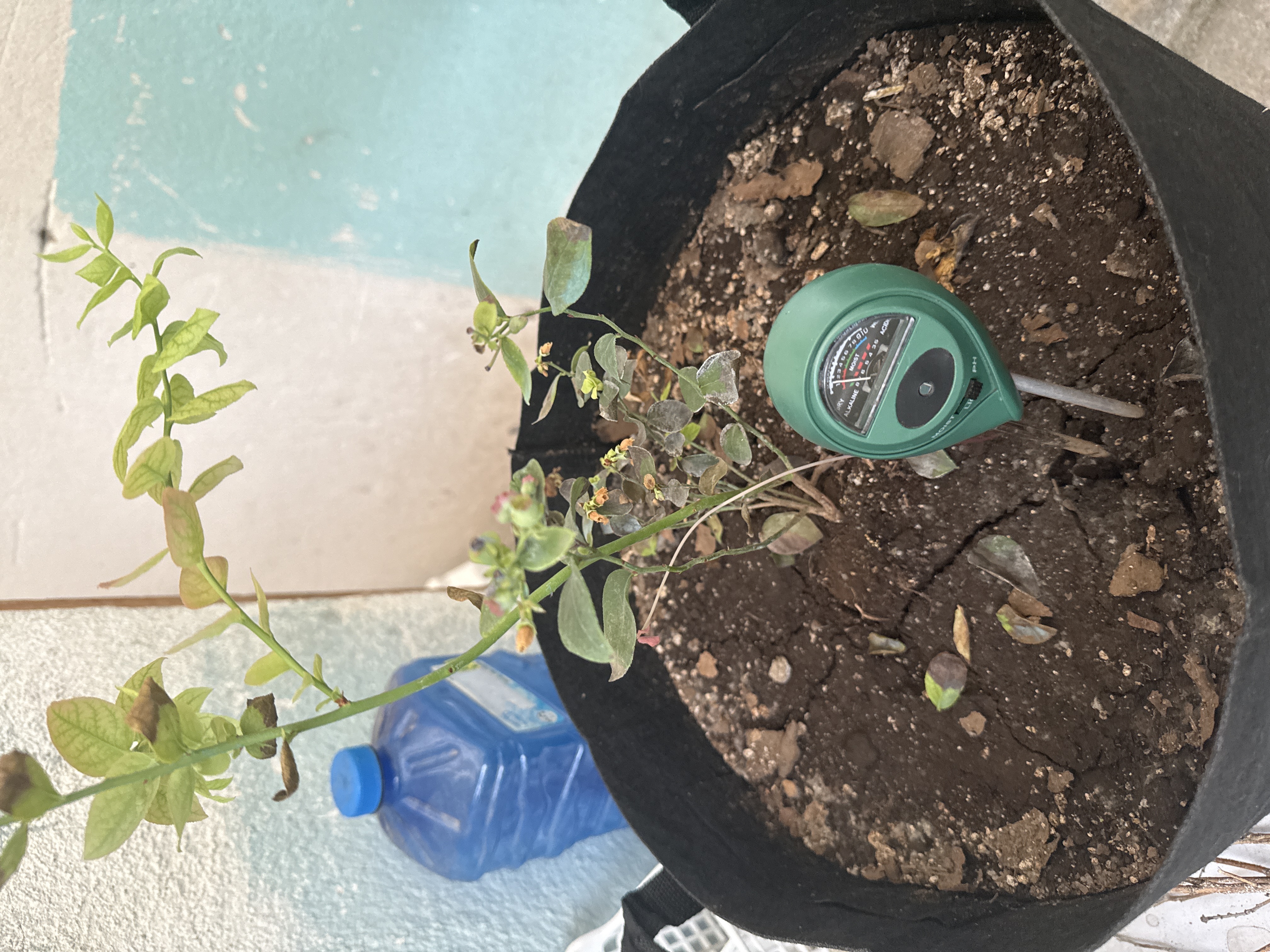
Un arbusto joven con hojas verdes pequeñas y ovaladas, y pequeños frutos verdes o brotes desarrollándose a lo largo de sus tallos. Está en una bolsa de vivero negra y muestra nuevo crecimiento.
Línea de tiempo
- Riego · Día 164 · 2026-10-01
- Riego · Día 144 · 2026-09-11
Foto nueva · Día 144 · 2026-09-11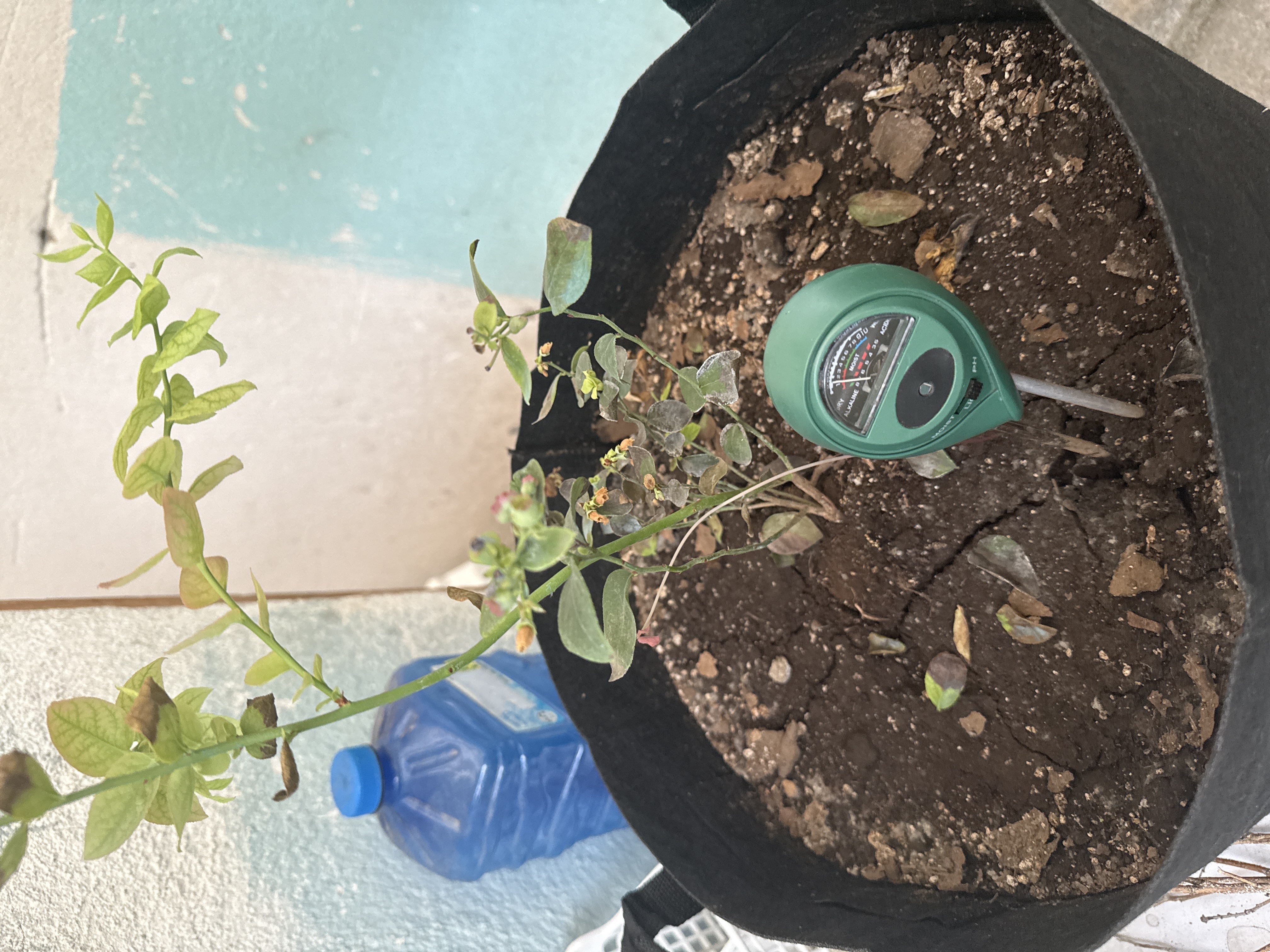
Foto nueva · Día 46 · 2026-06-04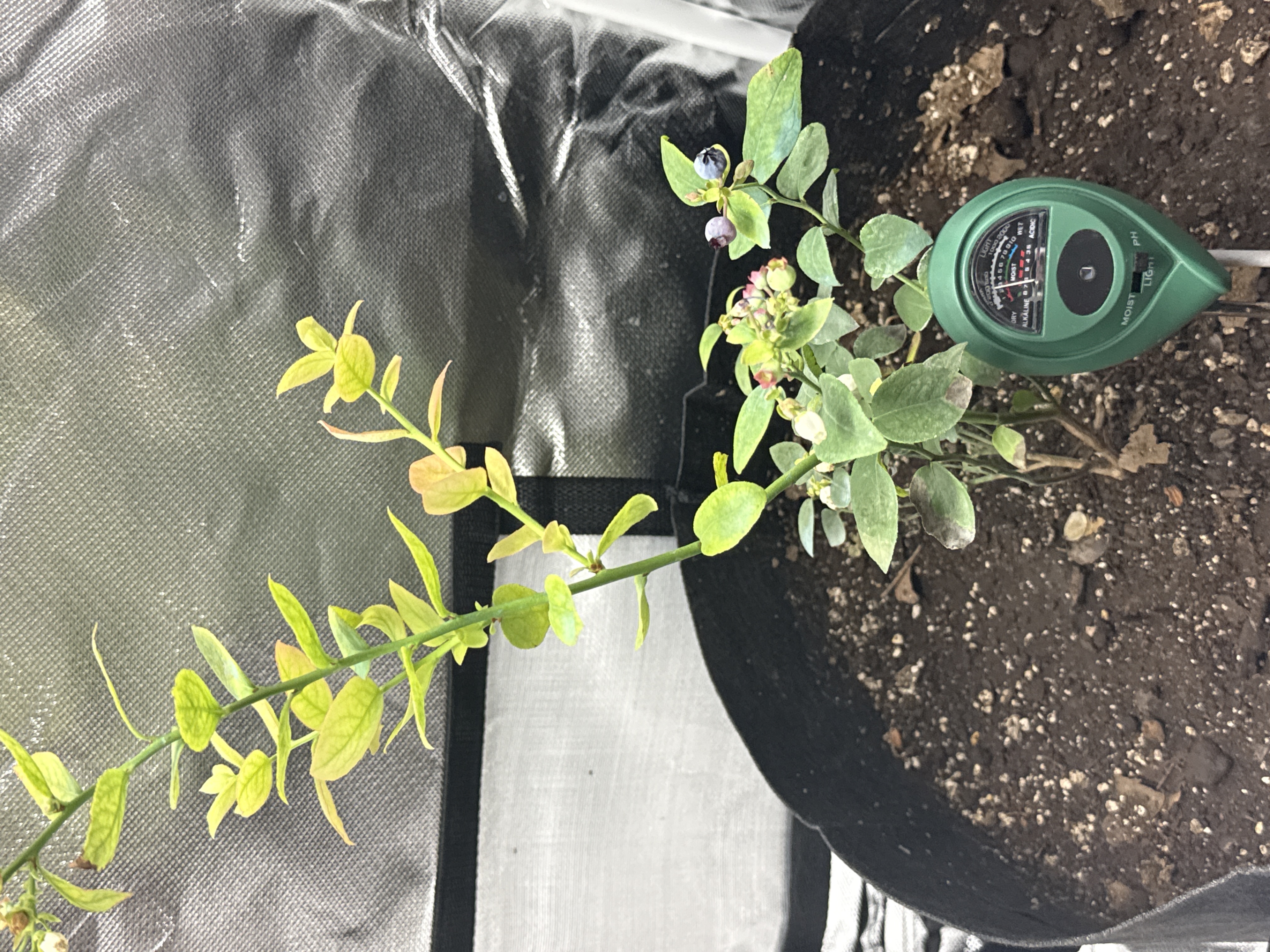
Foto nueva · Día 29 · 2026-05-18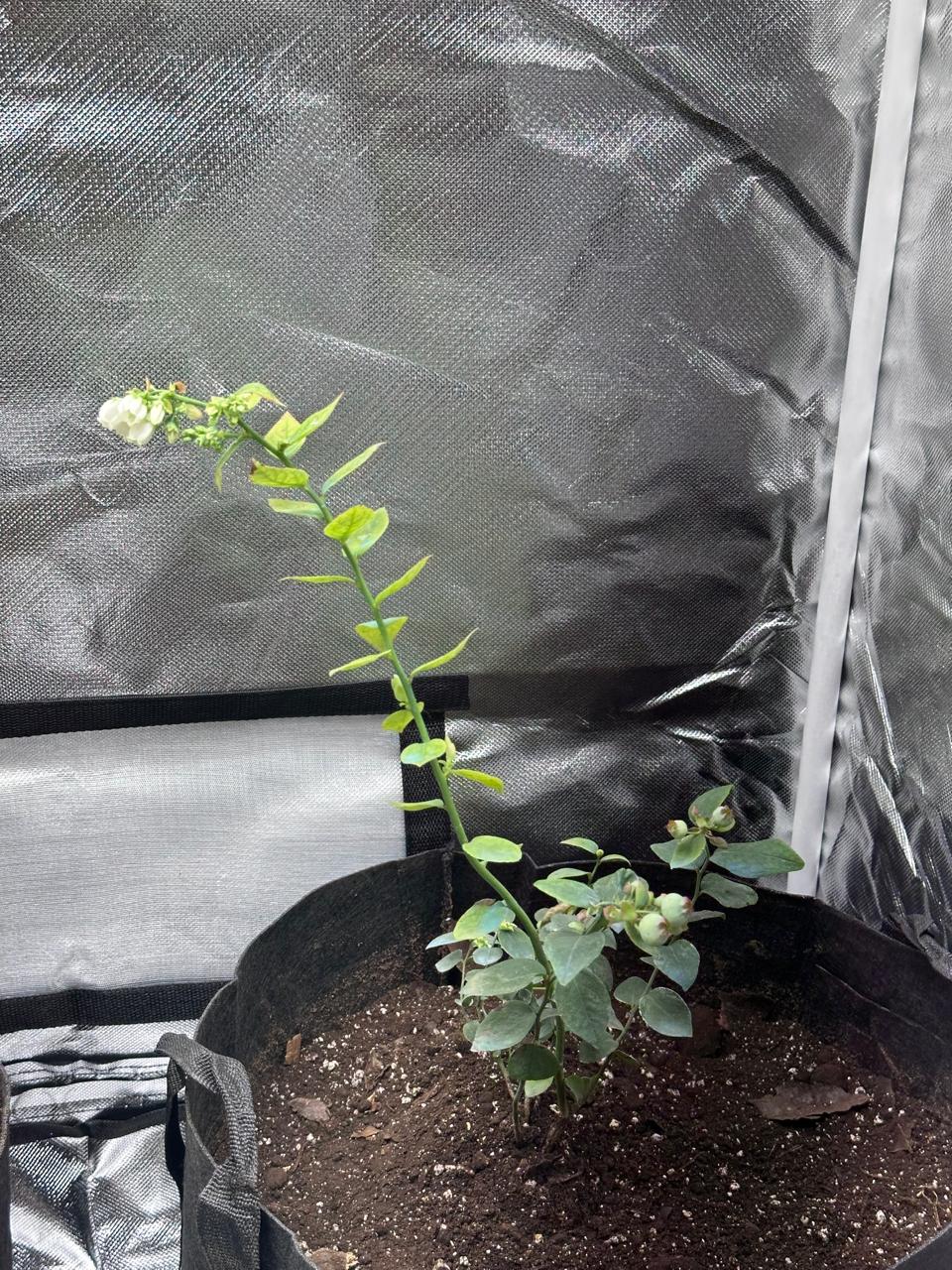
Foto nueva · Día 28 · 2026-05-17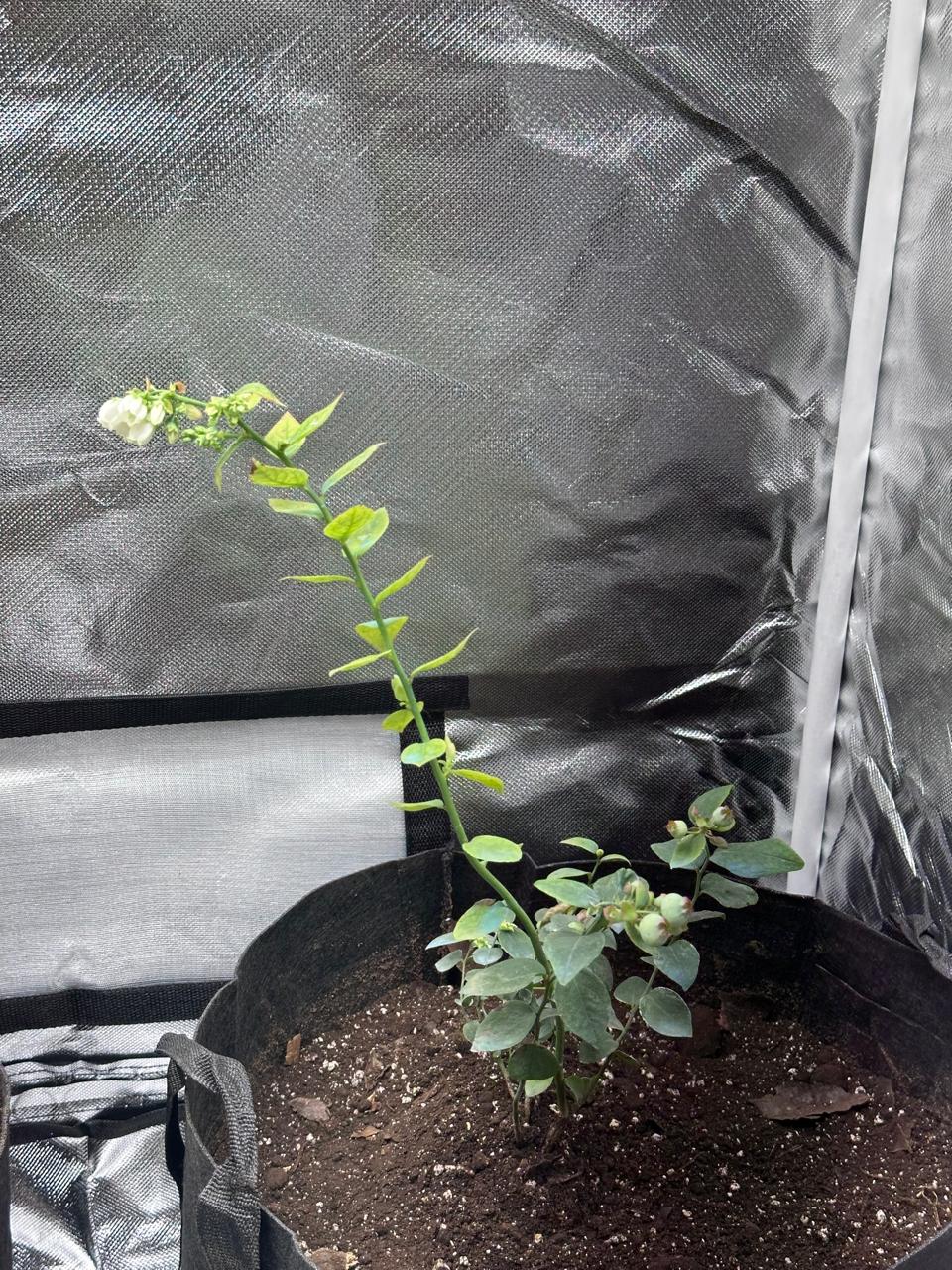
Foto nueva · Día 28 · 2026-05-17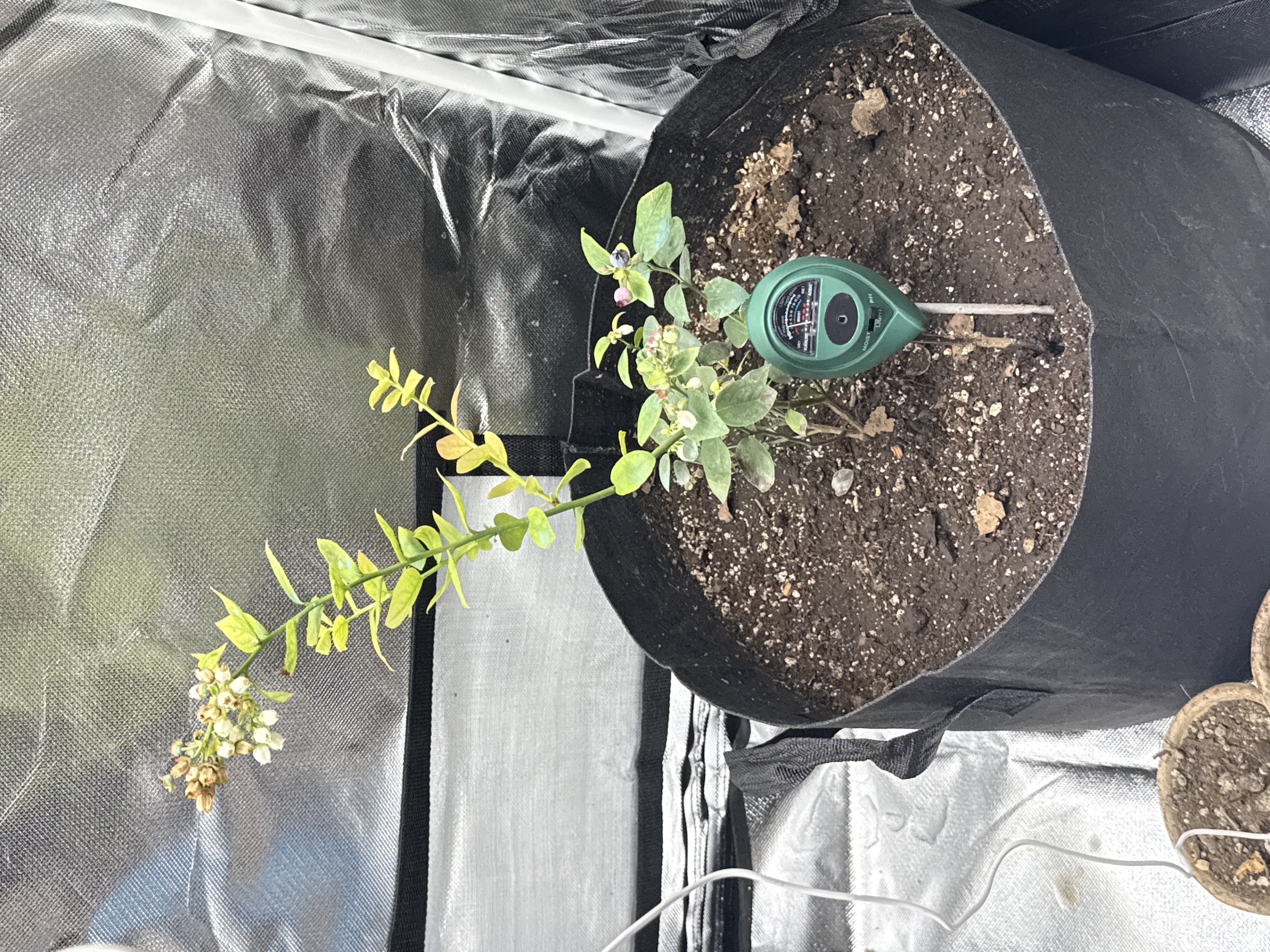
Foto nueva · Día 28 · 2026-05-17- Riego · Día 28 · 2026-05-17
- Abono · Día 28 · 2026-05-17
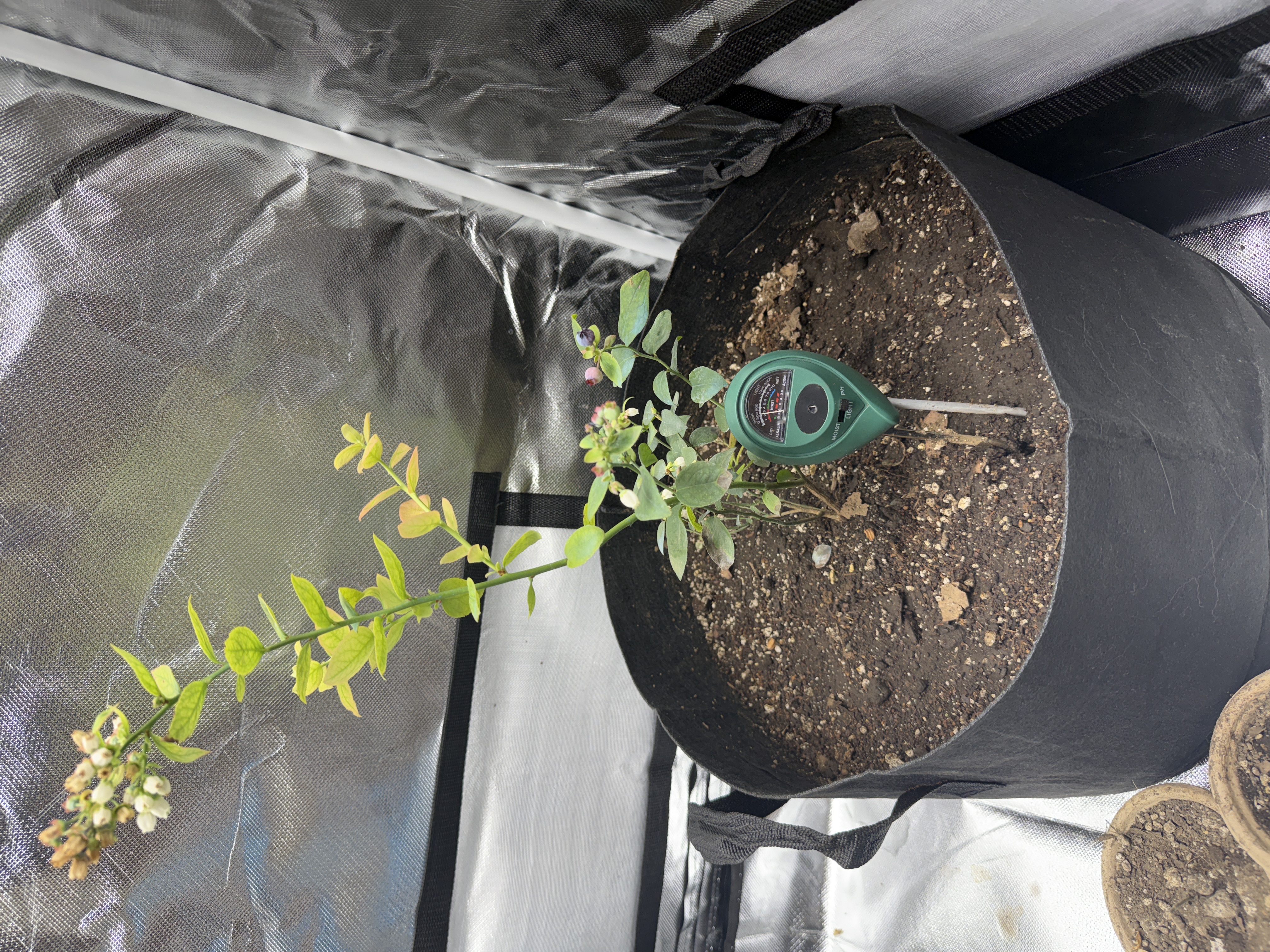
Foto nueva · Día 28 · 2026-05-17- Riego · Día 28 · 2026-05-17
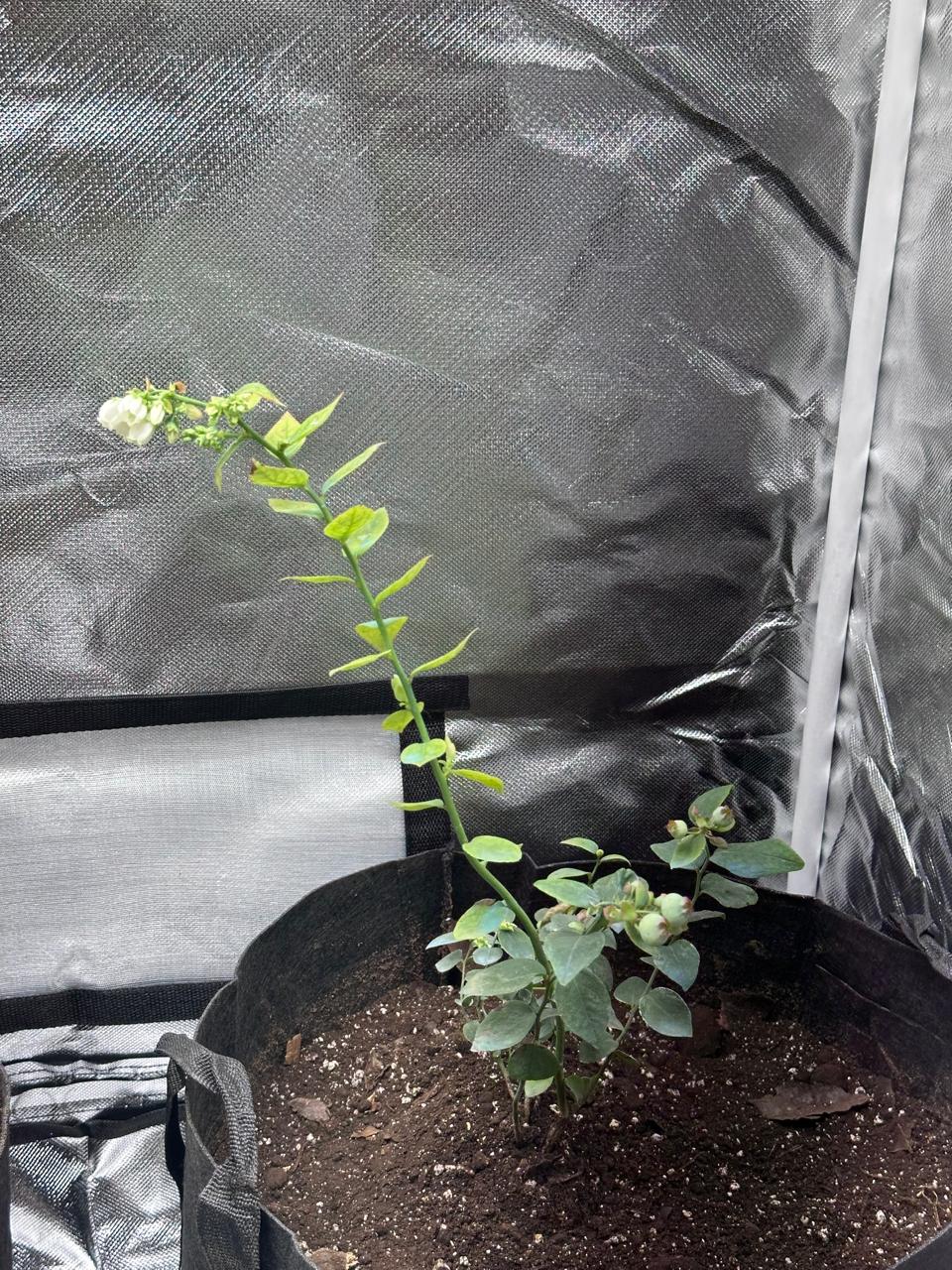
Foto nueva · Día 28 · 2026-05-17- Abono · Día 28 · 2026-05-17
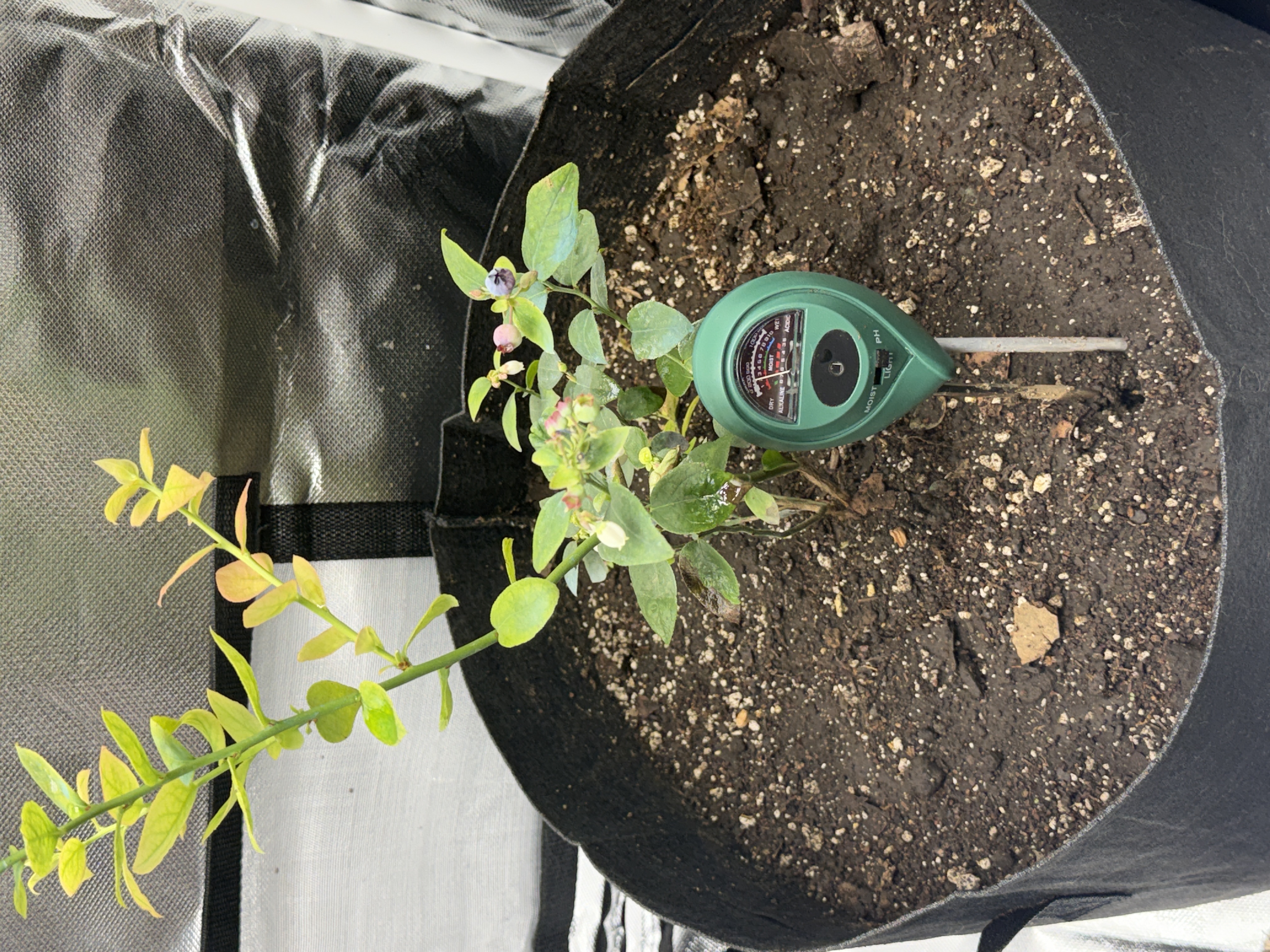
Foto nueva · Día 28 · 2026-05-17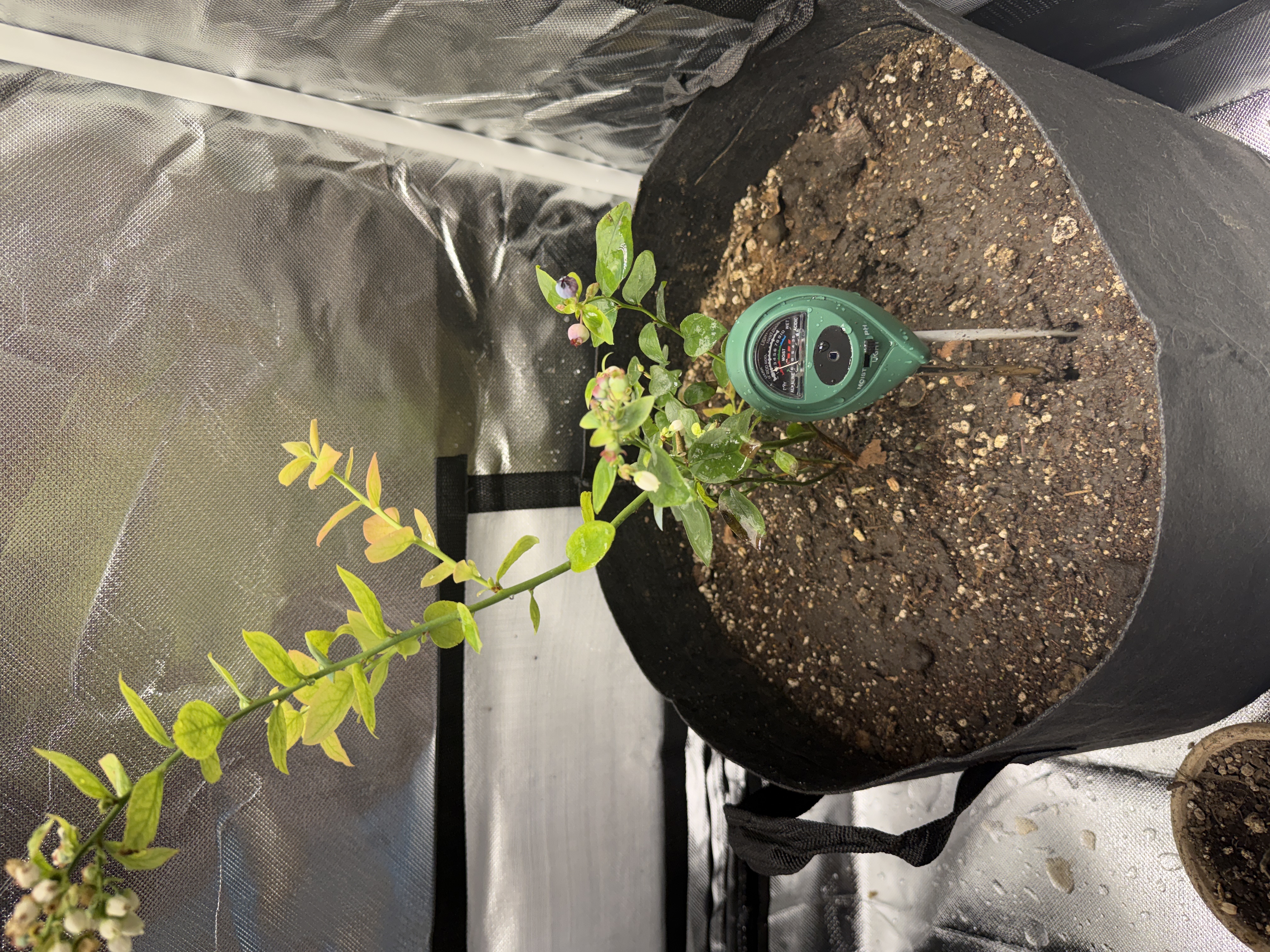
Foto nueva · Día 28 · 2026-05-17- Riego · Día 28 · 2026-05-17
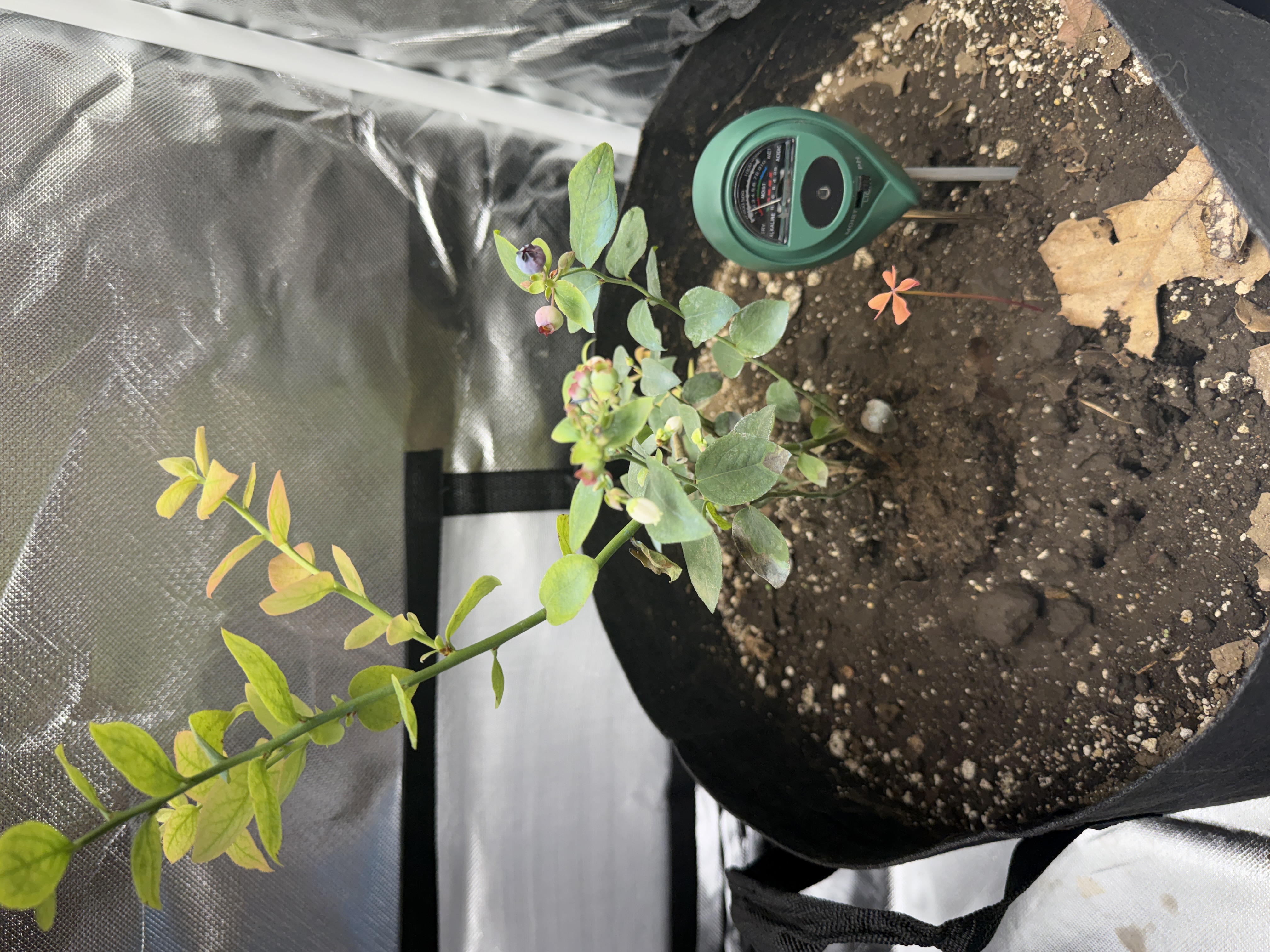
Foto nueva · Día 28 · 2026-05-17- Riego · Día 27 · 2026-05-16
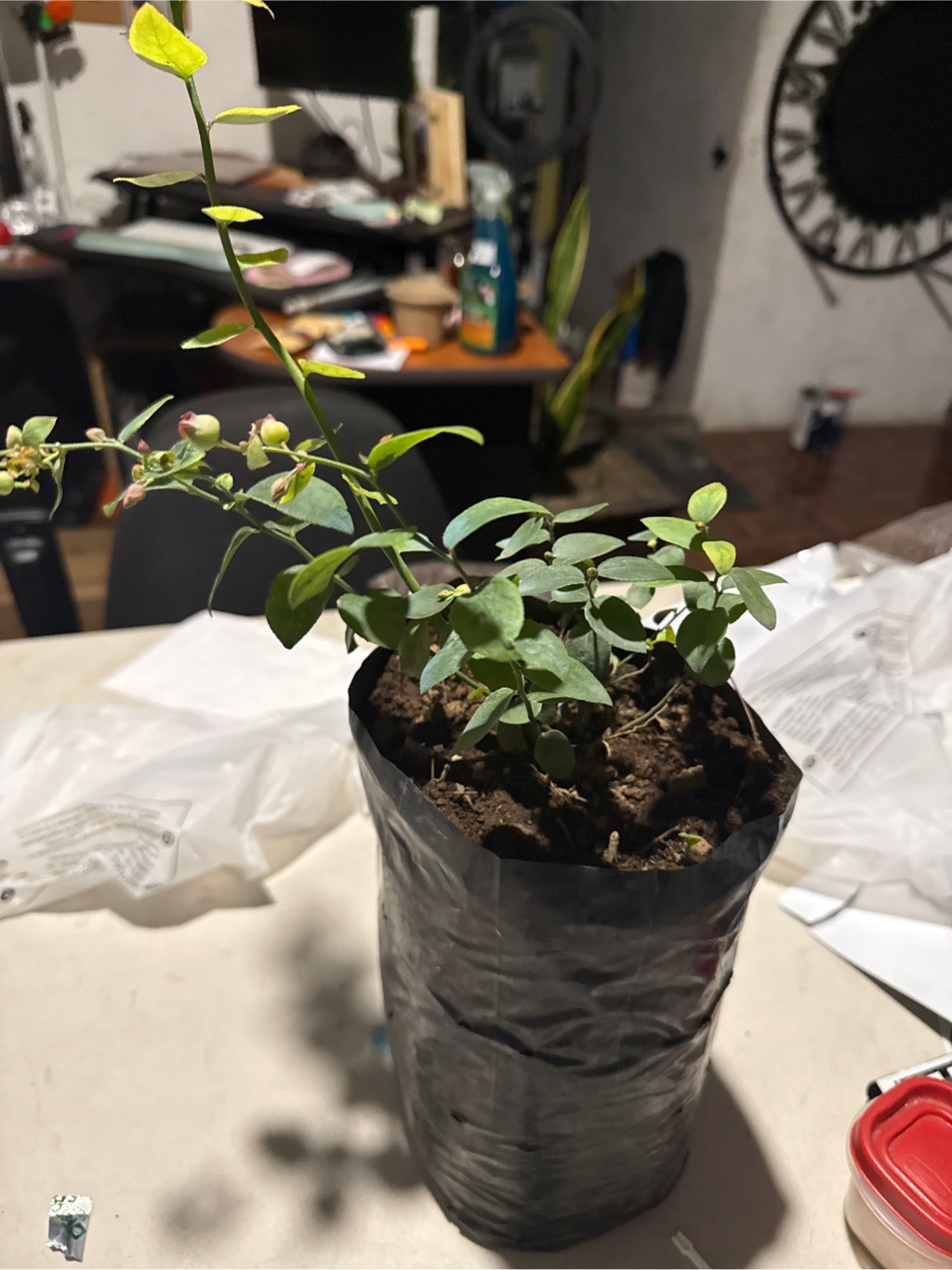
Foto nueva · Día 0 · 2026-04-20
Cuidados de la especie
- Riego: Cada 3 días
- Ubicación: Luz directa
- Sustrato: Mezcla que retiene humedad
- Requires at least 6-8 hours of direct sunlight daily for optimal growth and fruit production. Can tolerate partial sun but will yield less fruit.
- Keep the soil consistently moist but not waterlogged. Water deeply when the top inch of soil feels dry. Avoid letting the soil dry out completely, especially during fruiting.
- Acidic, well-draining mix with peat moss or pine bark fines
Diagnósticos de Dr. Edén
- Severe Drought and Nutrient Lockout (pH related) · Día 144
### 💦 IMMEDIATE NURTURING WATERING `HOME REMEDY` `TIP`
- You've been diligently caring for your plant, and it's wonderful to see your commitment to its well-being! Your blueberry is currently craving a good, slow drink. Since your last recorded watering was in May and the soil is very dry, it's time for a thorough hydration session.
- Slowly pour **rainwater or filtered water** directly onto the soil until it drains freely from the bottom of the grow bag. This ensures the entire root ball gets well-hydrated without overwhelming the plant.
- To give your blueberry an immediate boost, you can add 1-2 tablespoons of **apple cider vinegar** or a pinch of **citric acid powder** per gallon of water. This helps to gently acidify the water, which blueberries absolutely adore and helps with nutrient uptake.

### 🌱 SOIL REVITALIZATION & pH BALANCE `KNF` `ORGANIC` `TIP`
- It's fantastic that you're using a soil probe to check moisture and pH! While you've been diligently adding coffee grounds, which are great for acidity, knowing the **liquid pH** of your *feed water* and the **EC (electrical conductivity)** of your nutrients helps ensure your plant can absorb all those wonderful inputs. pH affects nutrient availability, and EC tells us the strength of your nutrient solution.
- Blueberries thrive in **acidic soil (pH 4.5-5.5)**, and based on the symptoms, your soil pH might be a bit too high, making nutrients like iron unavailable. To gently lower the pH further and improve nutrient availability, consider a top dressing of **aged pine bark, peat moss, or elemental sulfur pellets**.
- For a wonderful KNF approach, apply a diluted solution of **Fermented Plant Juice (FPJ)** made from acid-loving plants (like citrus peels or pine needles) at a 1:500 to 1:1000 dilution ratio. This introduces beneficial microbes and organic acids that gently balance the soil.
- For future waterings, if your tap water is hard or alkaline, a simple trick is to add a tiny splash (about 1 teaspoon per gallon) of **white vinegar or lemon juice** to your watering can, stirring it well, to help bring the water's pH down for your blueberry's happiness.

### 🌬️ ENVIRONMENTAL HARMONY `TIP`
- Your past comfort checks indicated very high temperatures and low humidity, which can be quite challenging for blueberries. As we move through September in Mexico City, which can still be warm, offering some **afternoon shade** during the hottest parts of the day would be an excellent opportunity for further improvement.
- Consider increasing the humidity around your plant. A tray of pebbles with water nearby can create a helpful microclimate. Consistent moderate temperatures and humidity will allow your blueberry to recover beautifully and thrive.
- Light Deficiency and Nutrient Imbalance (likely pH-related) · Día 27
1. **Improve Light Conditions (HOME REMEDY):** The leggy growth is a clear sign of insufficient light. Move your grow light closer to the plant or consider increasing the light intensity or duration. Blueberries generally thrive with 12-16 hours of strong light during active growth. Ensure the entire plant receives adequate illumination.\n2. **Adjust Soil pH (KNF REMEDY):** Blueberries are acid-loving plants (ideal pH 4.5-5.5). Inadequate pH can lock out essential nutrients like iron. It is highly recommended to test your soil pH. If the pH is too high, consider:\n * **Fermented Plant Juice (FPJ):** Regular applications of a diluted FPJ (e.g., from weeds or comfrey) can enhance soil biology and nutrient availability, helping the plant cope with slight pH imbalances. Mix 1:500-1:1000 with non-chlorinated water and drench the soil.\n * **Diluted Apple Cider Vinegar (HOME REMEDY - use with caution):** As a temporary measure, you can carefully add 1-2 tablespoons of raw, unfiltered apple cider vinegar per gallon of non-chlorinated water and use it for irrigation. Always test the pH of the solution before applying and monitor the plant's response. This is a temporary fix, as the soil's buffering capacity will eventually revert the pH.\n * **Organic Matter (KNF/HOME REMEDY):** Top-dress with acidic organic matter like pine needles, peat moss (ensure it's sterile), or spent coffee grounds. These will slowly acidify the soil as they decompose and improve soil structure.\n3. **Nutrient Support (KNF REMEDIES):**\n * **Fish Amino Acid (FAA):** Apply diluted FAA (1:1000 with water) as a soil drench every 1-2 weeks to provide a gentle, balanced source of nitrogen and other essential nutrients, promoting overall plant vigor and leaf development.\n * **Water Soluble Calcium (WSC) & Phosphorus (WSP):** Since the plant is flowering and fruiting, ensure adequate calcium and phosphorus. Apply diluted WSC (made from eggshells) and WSP (made from roasted bones) as a foliar spray or soil drench, especially if you suspect these deficiencies. (Dilution 1:1000).\n * **Oriental Herbal Nutrient (OHN):** Regular applications (1:500-1:1000) can boost the plant's immune system and promote healthy growth.\n4. **Pruning:** Once the current fruiting cycle is complete, consider lightly pruning the leggy stem to encourage more bushier growth from the base.
Escaneá tu planta gratis
Tomás una foto y Eden Scan te dice qué planta es, con su nivel de confianza, y cómo cuidarla.